
Snakebite Education
VISHAM will advance responsible snakebite awareness, public education, and training to reduce fear, counter misinformation, and prevent avoidable harm.



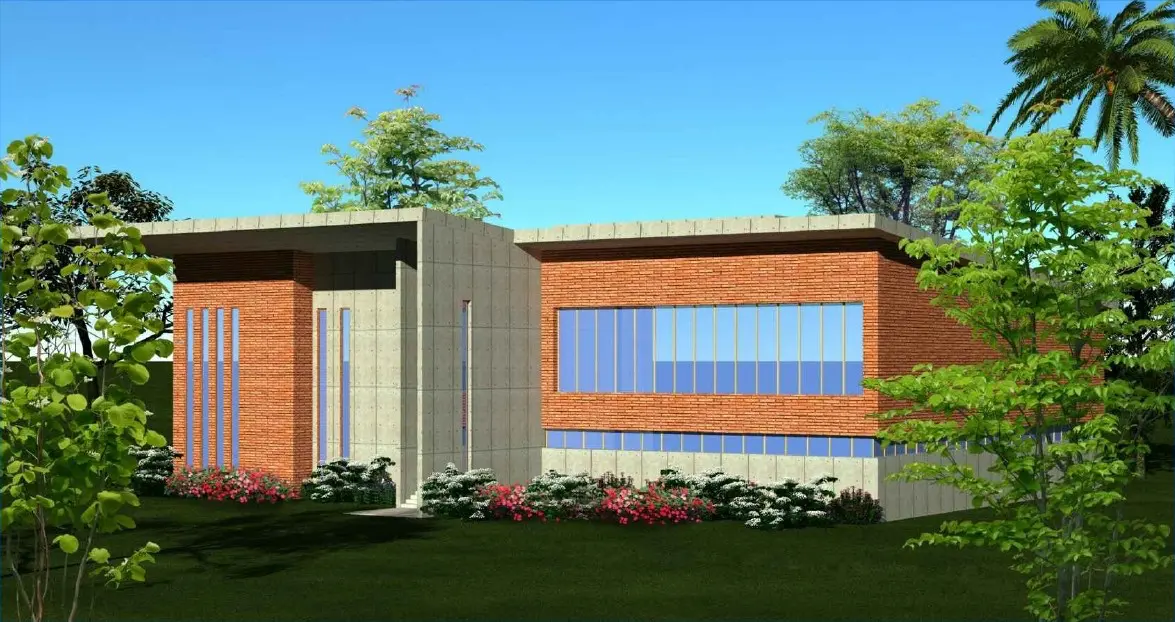
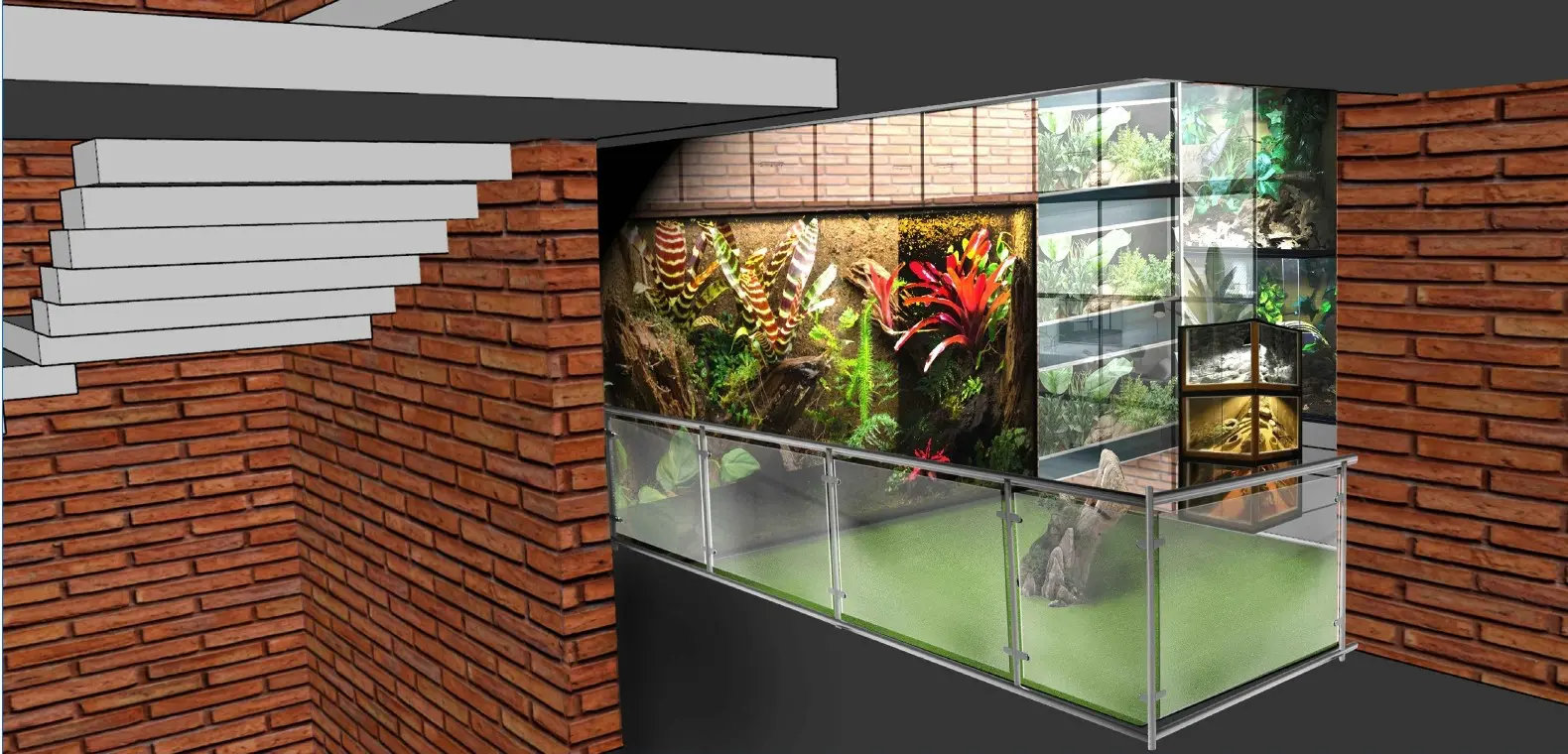
VISHAM is a dedicated snakebite research and education facility being established in Bengaluru by Prof. Kartik Sunagar and the Evolutionary Venomics Lab at IISc, in collaboration with IBAB, with funding support from the Government of Karnataka through KITS. Envisioned as India's first national centre of its kind, VISHAM will support venom research, antivenom development, venom quality assessment, outreach, education, wildlife forensics, and advanced snakebite interventions.
VISHAM integrates animal care, venom access, scientific evaluation, biotechnology, and public engagement to translate field realities into reliable snakebite interventions.
VISHAM will advance responsible snakebite awareness, public education, and training to reduce fear, counter misinformation, and prevent avoidable harm.
VISHAM will facilitate rigorous research on animal venoms — including those of snakes, spiders, scorpions, and others — with a focus on biogeography, venom variation, and translational relevance.
A central objective is to support the quality assessment of venoms used in lifesaving antivenom production and to evaluate the efficacy of commercially available Indian antivenoms.
VISHAM will act as an incubator for startups and entrepreneurs interested in venom research, providing the infrastructure, resources, and mentorship needed to accelerate the translation of discoveries into real-world solutions.
VISHAM integrates resource development, biodiscovery, biotechnology, wildlife forensics, and next-generation therapeutic strategies to advance snakebite research and treatment.
Three interconnected programmes give VISHAM its translational edge across research, training, and clinical impact.
Maintaining and studying snakes from India's diverse biogeographic regions will improve access to representative venoms and strengthen both antivenom formulation and efficacy testing.
EVL's venomics, toxinology, antibody discovery, and small-molecule therapeutic programmes will be strengthened by a dedicated facility for applied snakebite research.
VISHAM is designed to support education and training for students, first responders, clinicians, communities, and other stakeholders shaping the future of snakebite mitigation.
VISHAM's public-health mission includes awareness, stakeholder engagement, science communication, forest-department collaboration, and responsible education around venomous organisms and sustainable ecosystems.
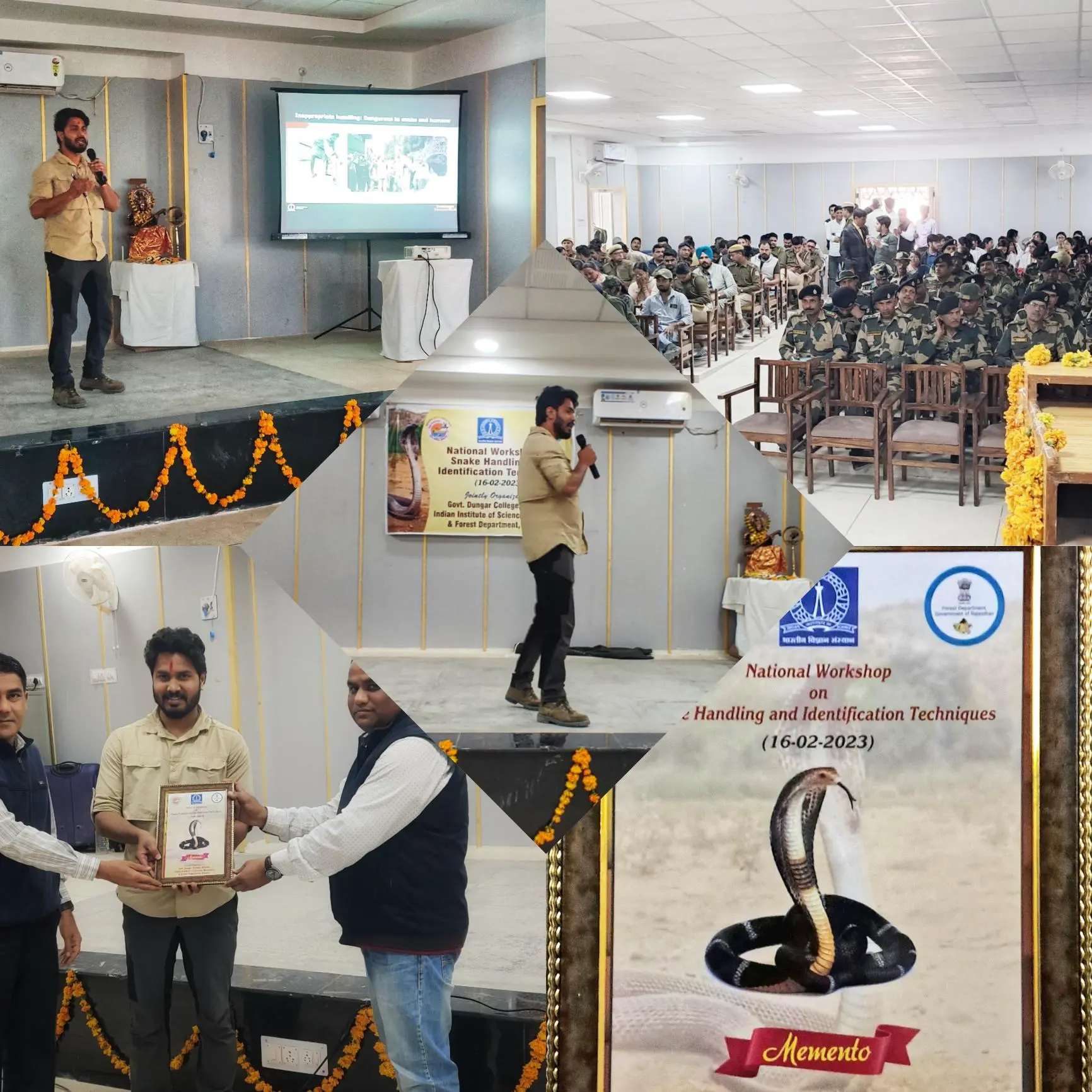
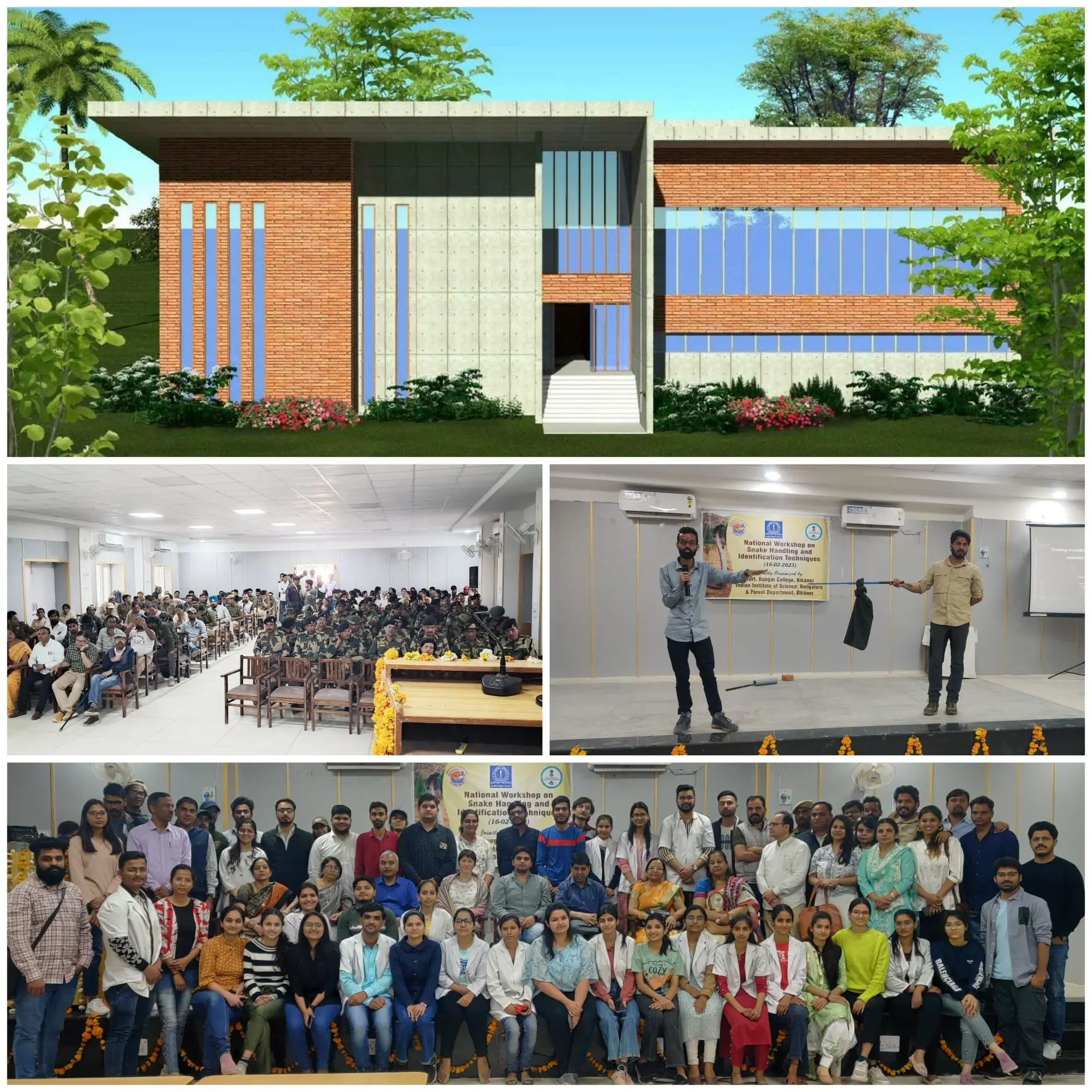
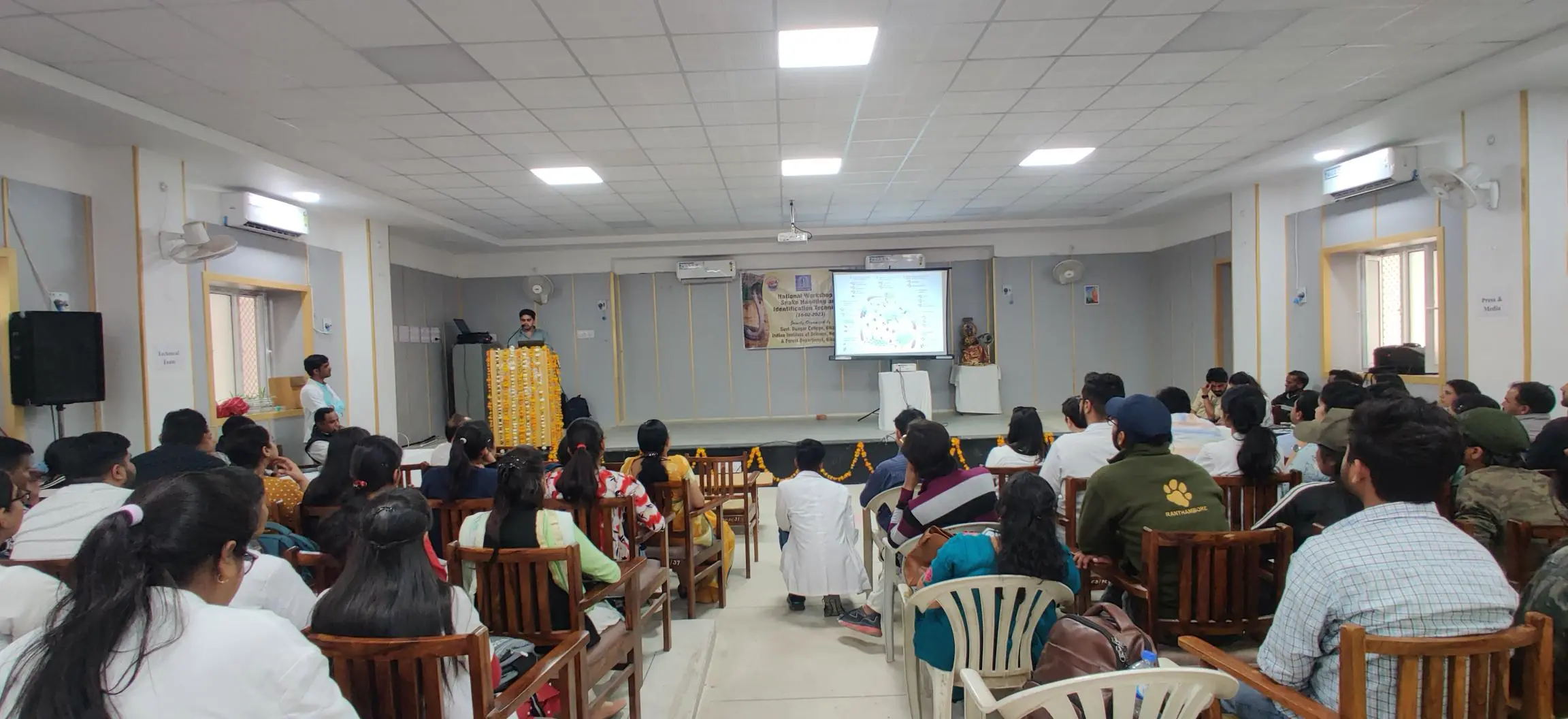
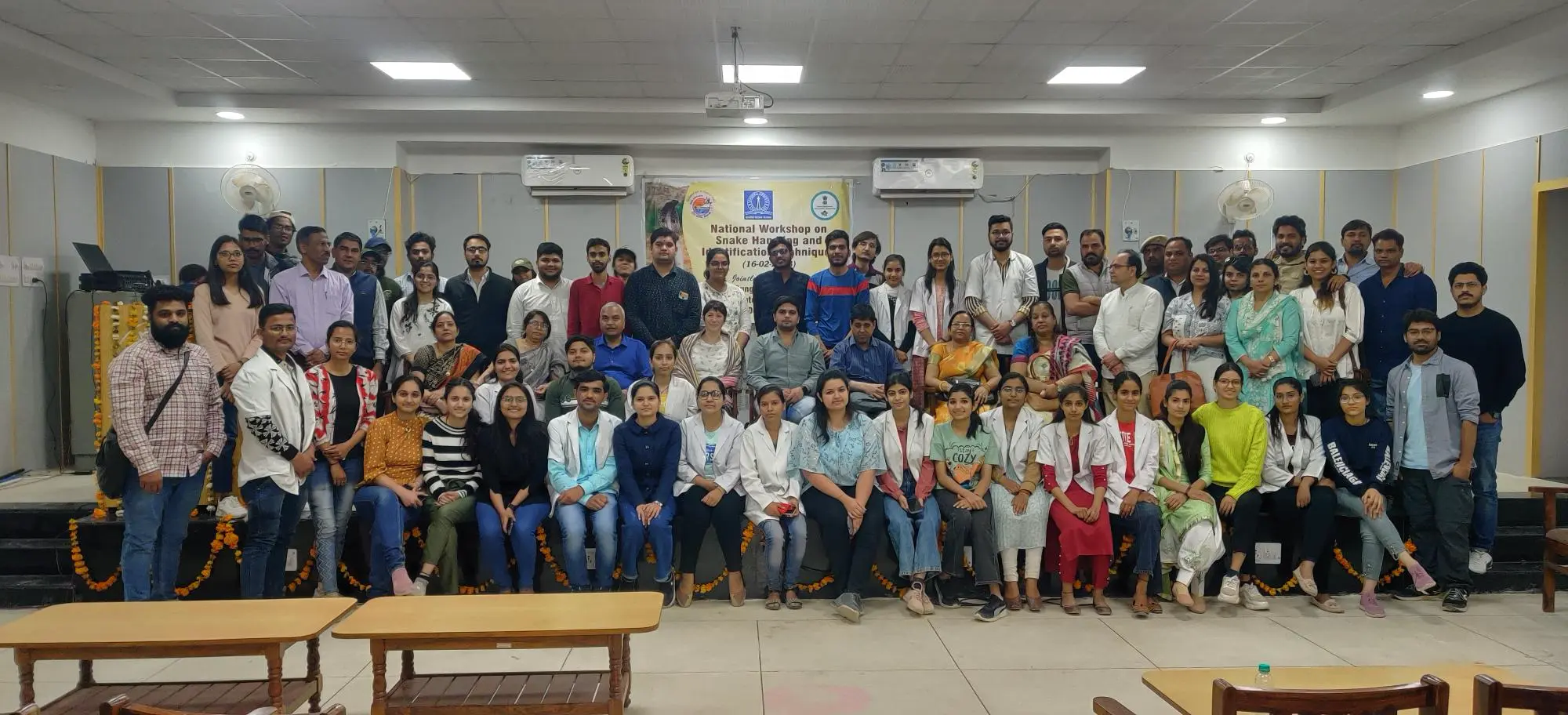
Public education on venomous organisms, snakebite prevention, and evidence-based first response.
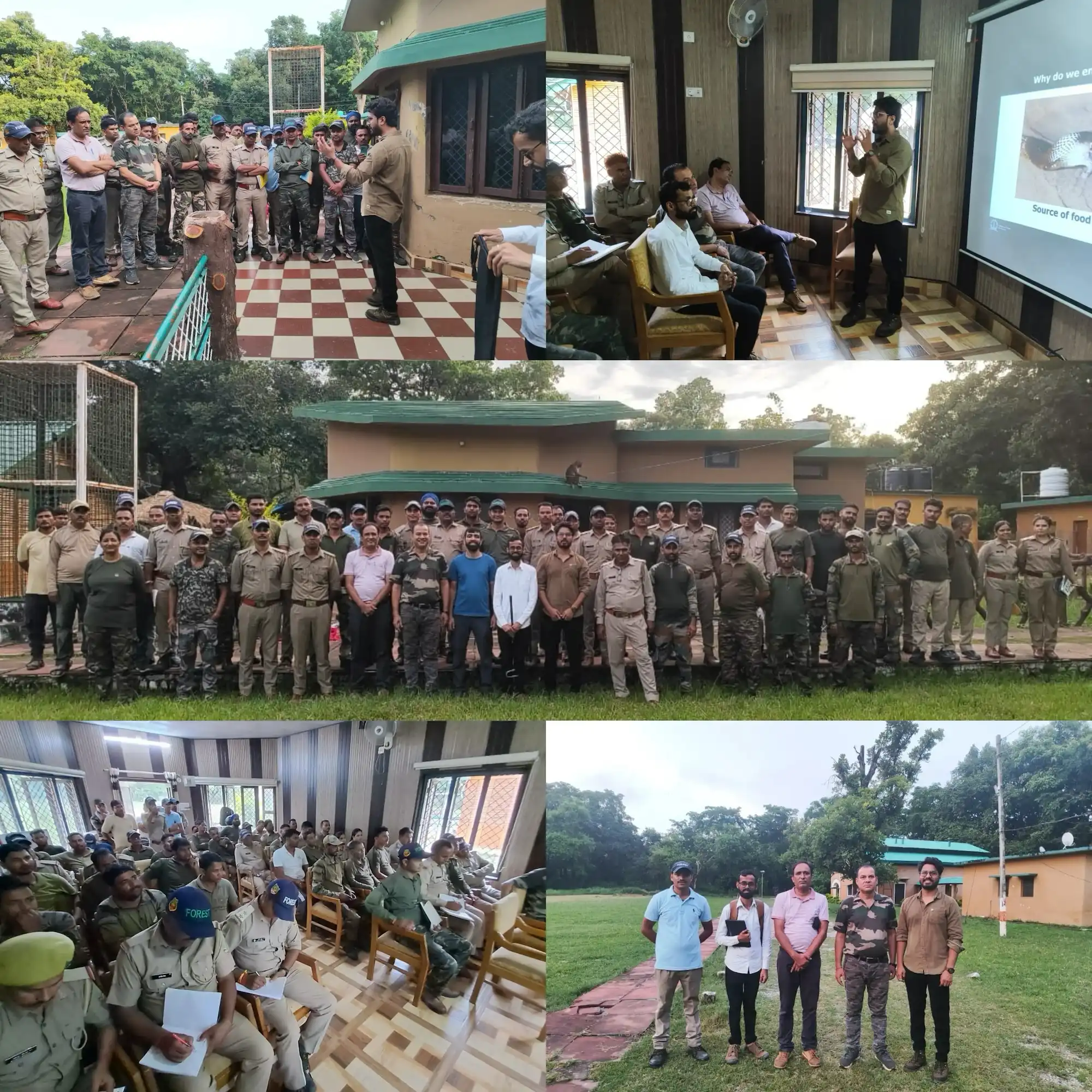
Building connections between forest officials, rescuers, clinicians, and researchers to translate field realities into better snakebite care.
Capacity building in responsible handling, venom collection, sample workflows, and outreach-ready educational resources.
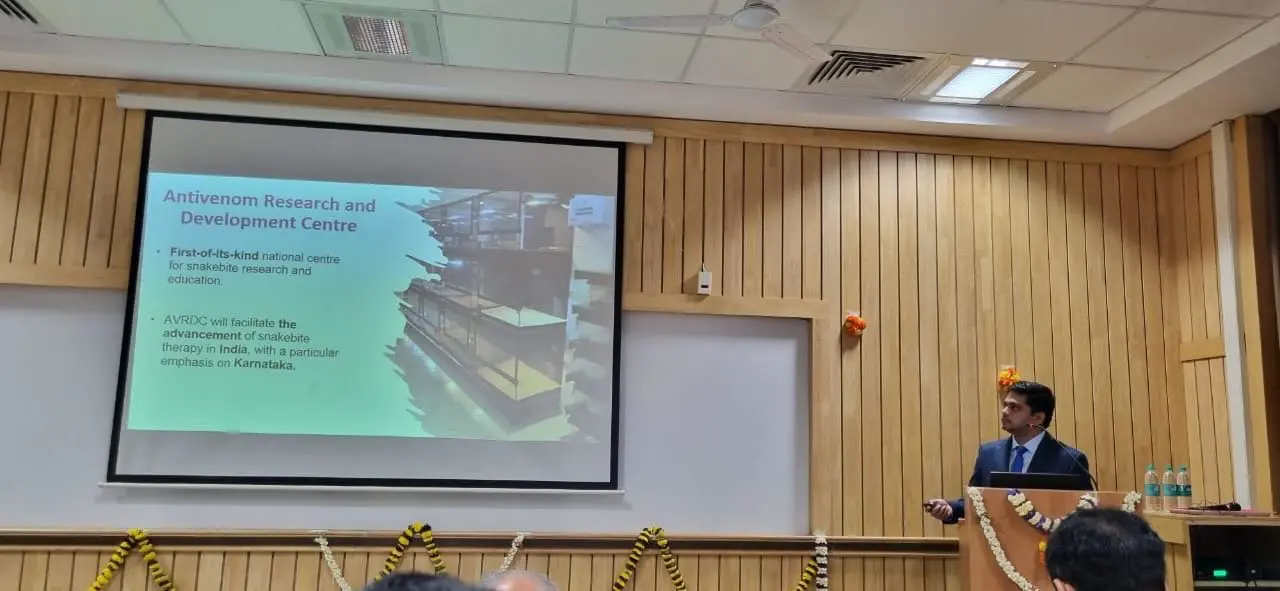
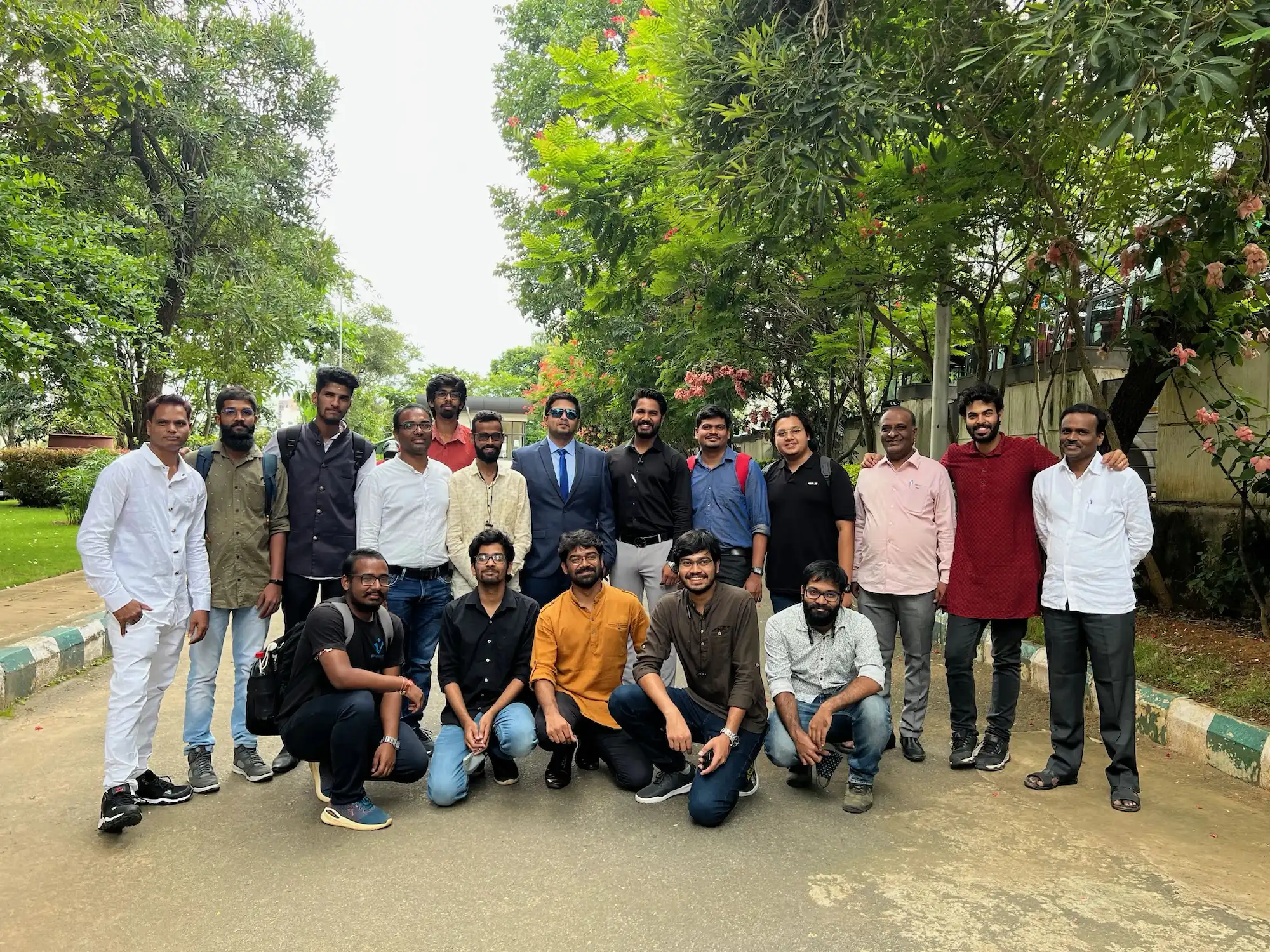
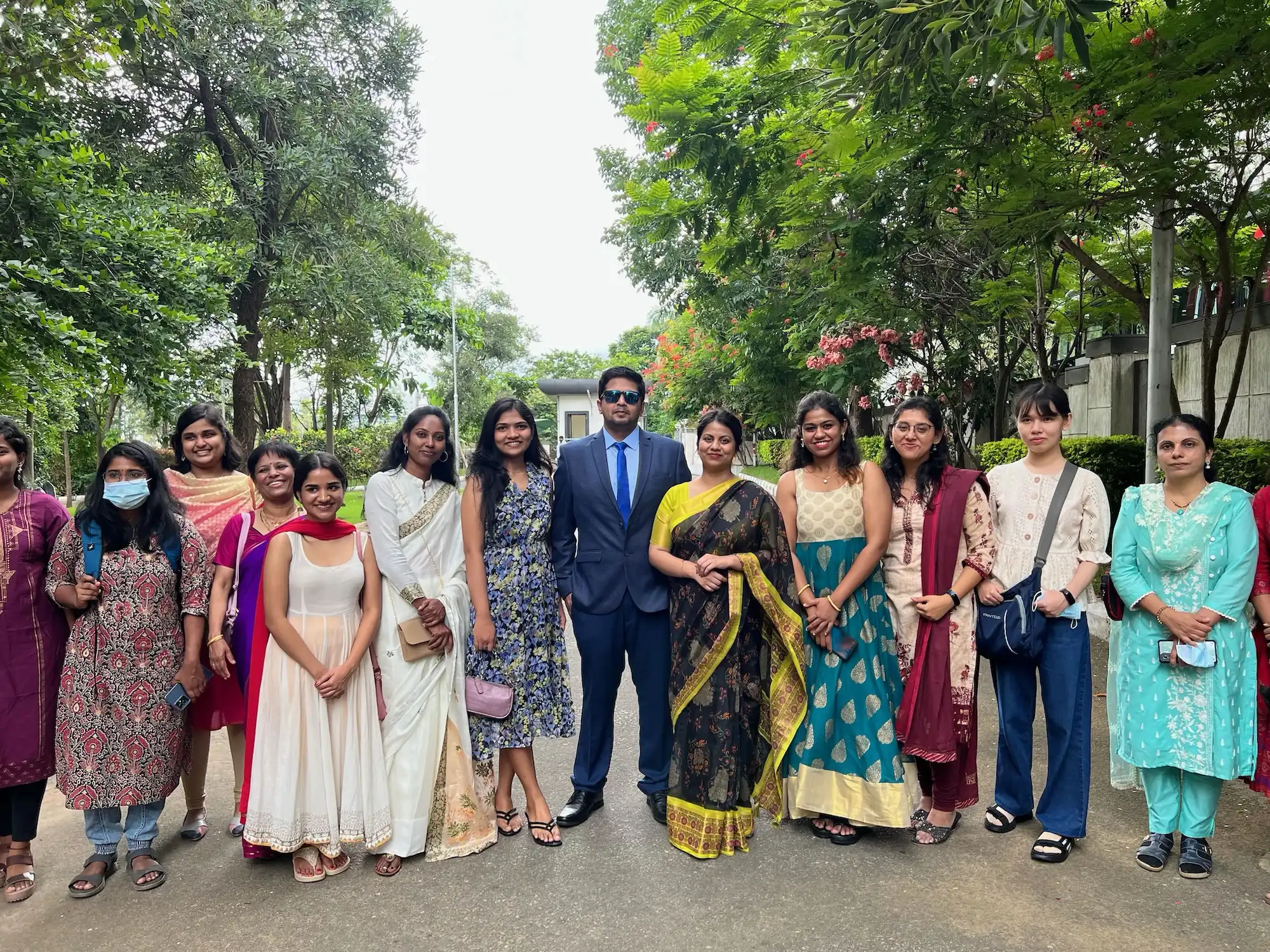
A growing timeline of public showcases, scientific outreach, and stakeholder engagement connected with VISHAM's snakebite mission.
Showcasing VISHAM's translational snakebite research and fostering biotech industry partnerships at Asia's premier technology summit.
Conducting extensive capacity-building workshops across India to train forest departments and researchers in ethical snake handling and standardized venom extraction protocols.
A collaborative outreach initiative delivering critical training on snakebite mitigation, first-response workflows, and regional venomous species awareness.
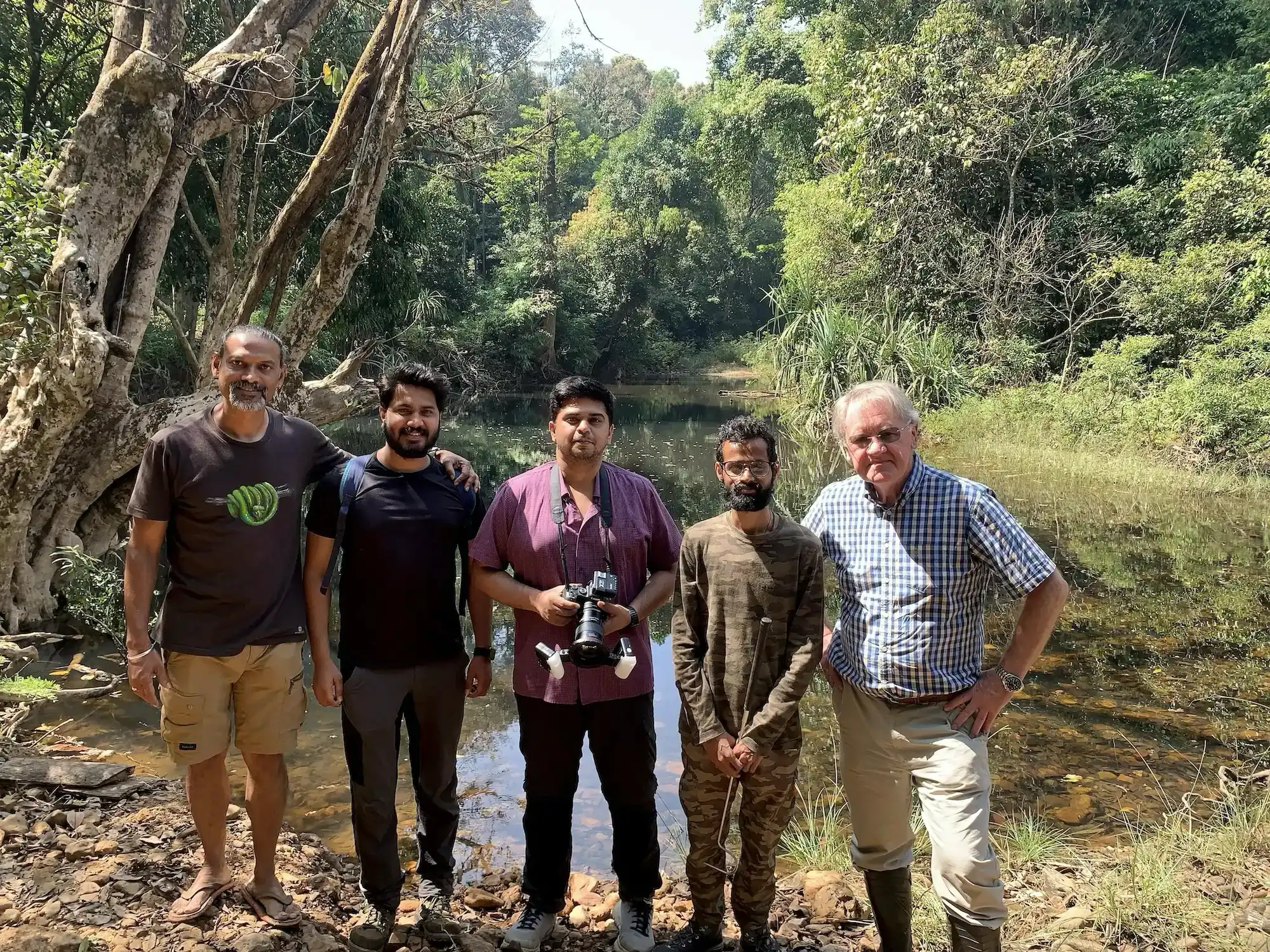
Specialized field training at the Agumbe Rainforest Research Station (ARRS) focused on the radiotelemetry, ecology, and safe management of King cobras.
A major public health and conservation outreach program educating 192 frontline participants on snakebite prevention and regional snake identification.
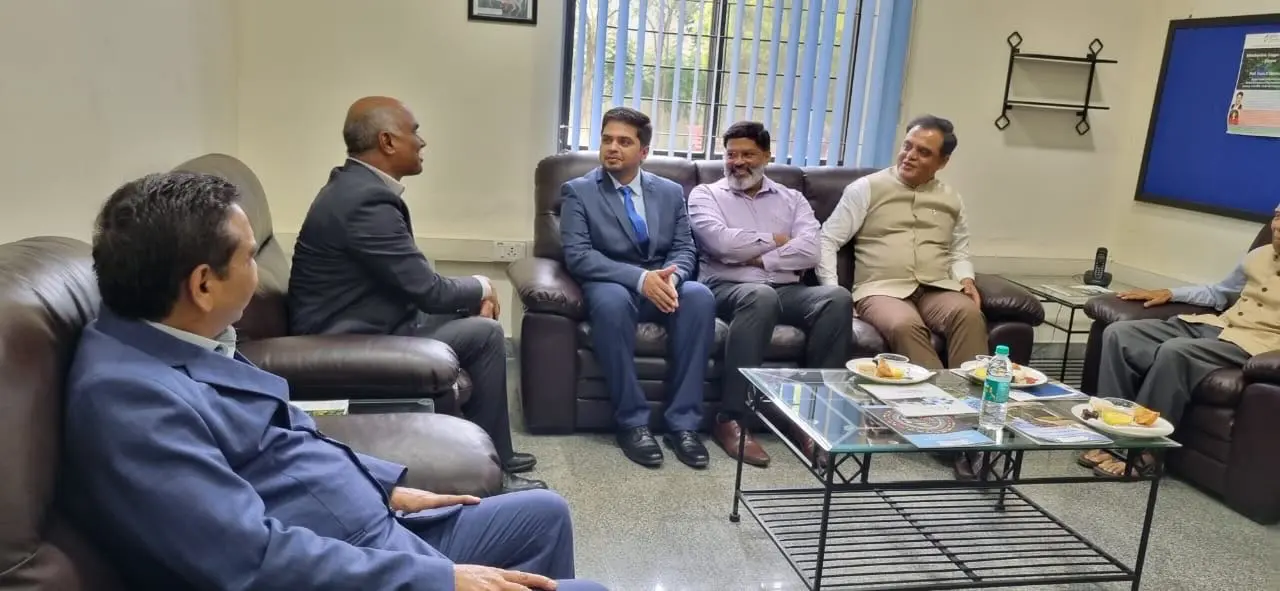
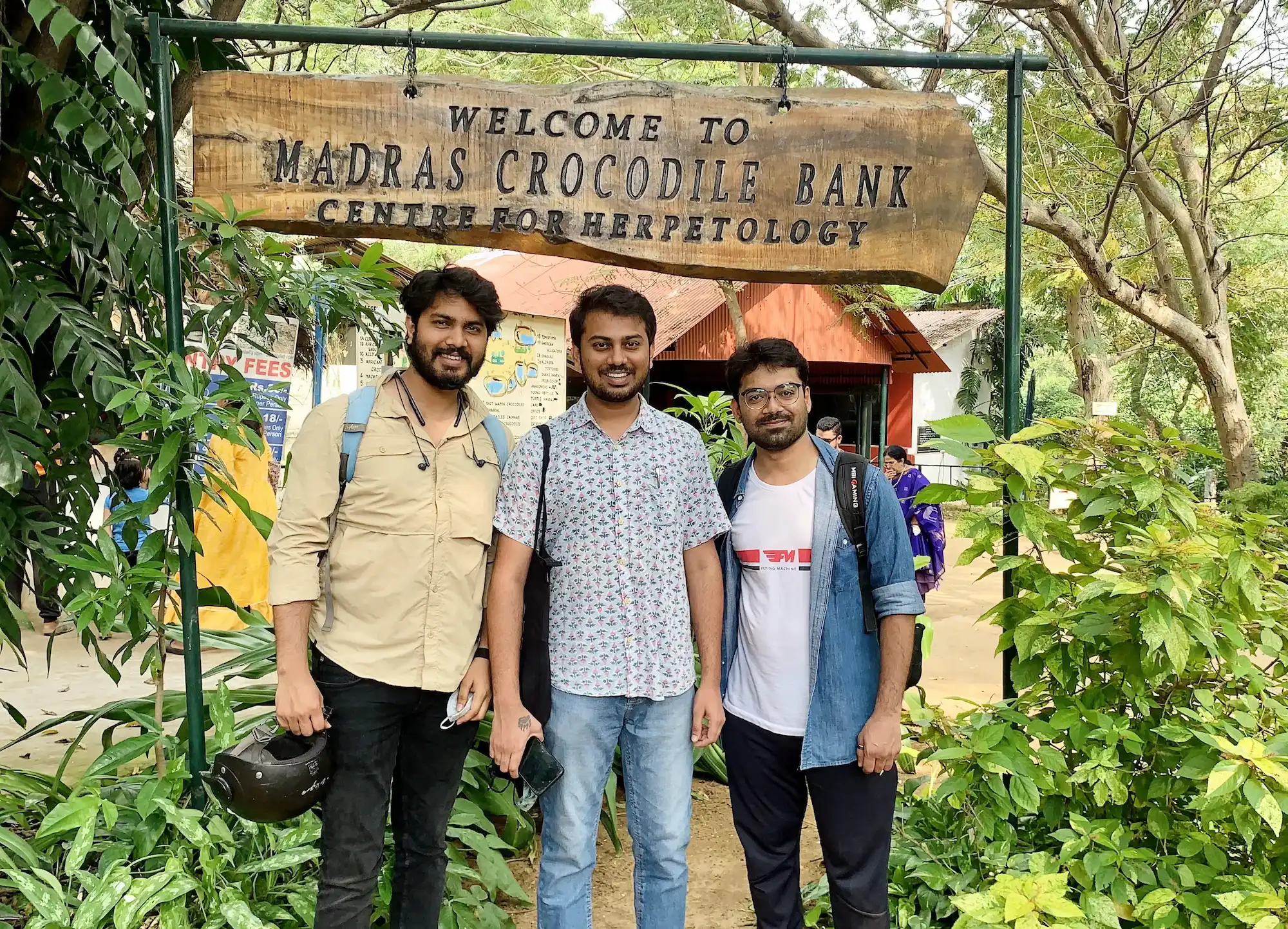
A strategic knowledge-exchange visit for serpentarium management and venom production.
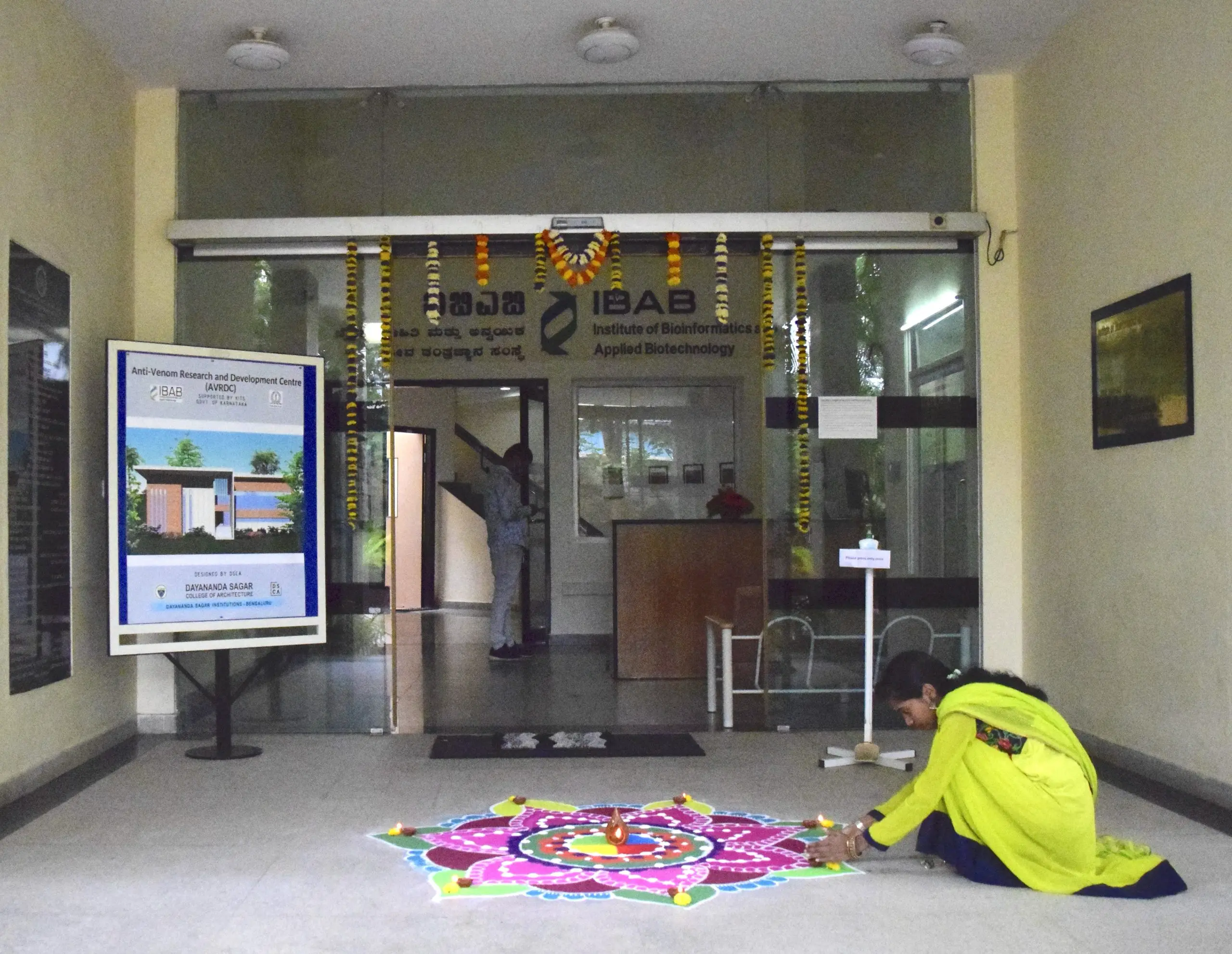
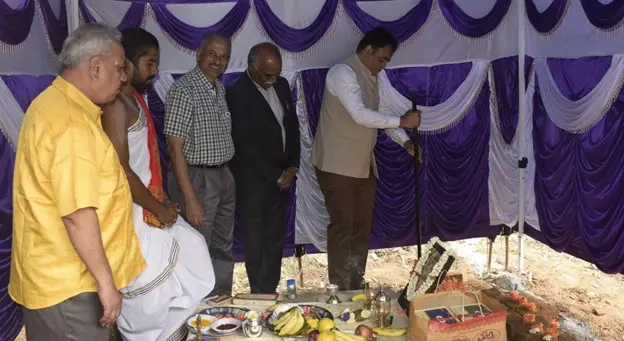
The official foundation-laying ceremony marking the commencement of construction of AVRDC/VISHAM.